cptphilpegley@gmail.com | 813-416-6296 | 1214 Frisbie Rd., Ruskin, FL, 33570

Hunting Redhead Ducks from a Skiff in Tampa Bay: A Guide
Article on Hunting Redhead Ducks from a Skiff in Tampa Bay: A Guide
Phil Pegley
4/3/20264 min read
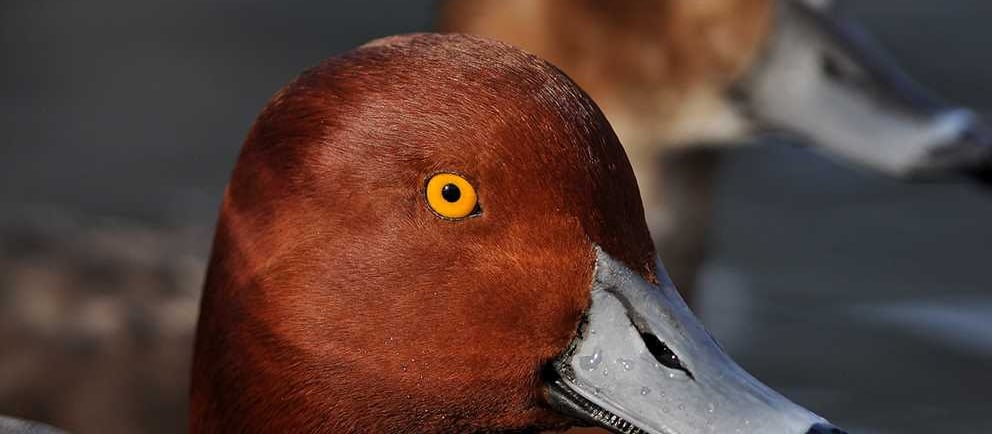
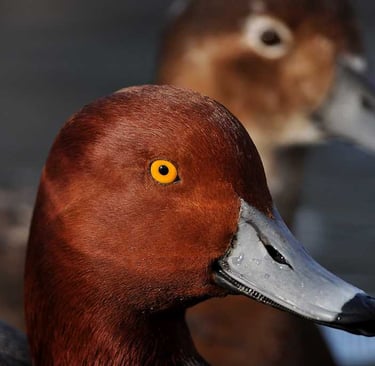
Understanding the Habitat of Redhead Ducks in Tampa Bay
The habitat of redhead ducks (Aythya americana) in Tampa Bay plays a crucial role in their distribution and hunting opportunities. These waterfowl are typically found in shallow coastal waters, where the ambient depth ranges from approximately two to six feet. This depth is optimal as it allows for plenty of aquatic vegetation, which is a significant food source for redhead ducks. These areas are known for hosting a variety of submerged plants, such as eelgrass and coontail, which flourish in moderately nutrient-rich waters.
Furthermore, Tampa Bay's extensive marshes and wetlands serve as essential nesting sites during the breeding season. These ducks are attracted to environments abundant in cover and safety from predators, where tall grasses and other vegetation create suitable nesting areas. During the winter months, redhead ducks are drawn to open waters interspersed with patches of underwater vegetation and abundant food sources that allow them to replenish their energy reserves.
The migration patterns of redhead ducks significantly influence their habitat preferences. Typically, these birds arrive in Tampa Bay during the fall months, seeking refuge from colder northern climates. This seasonal arrival peaks around late November, providing ample opportunities for hunters. By spring, as temperatures rise and breeding activities commence, many redhead ducks begin their migration back to northern habitats. Understanding these migration patterns allows hunters to target specific times for optimal success.
During different times of the year, the best spots for hunting redhead ducks in Tampa Bay include areas around mangroves, salt marshes, and tidal flats introduced by channels and bays. Identifying and monitoring these habitats can lead to more successful hunting experiences, especially when considering how water levels and vegetation change seasonally. By familiarizing oneself with the habitats of redhead ducks, both birdwatchers and hunters can enhance their overall experience in Tampa Bay.
Morning vs. Afternoon Hunting: Timing is Key
When hunting redhead ducks in Tampa Bay, understanding the variance in duck behavior between morning and afternoon is vital for a successful outing. In general, mornings offer optimal hunting conditions. As dawn breaks, ducks are more active, emerging from their night roosts to feed before the sun rises high in the sky. This early feeding frenzy is usually triggered by cooler temperatures, which stimulate foraging behavior. During these hours, hunters can often witness flocks of redhead ducks gliding over the water, making it a prime opportunity to capture them.
As the day progresses into the afternoon, duck activity tends to wane significantly. The rising temperatures and intensified sunlight tend to push redhead ducks into shaded areas or deeper waters to rest and conserve energy. Additionally, as the sun becomes more challenging, visibility decreases, which can complicate both spotting and targeting these birds. Hunters might experience fewer encounters during these hours, emphasizing the importance of timing and preparation.
Tides also play a crucial role in duck hunting strategy. In the morning, low tides may expose new feeding grounds, while high tides can create more concealed nooks where ducks prefer to hide. Being aware of tidal changes can help hunters determine the best locations for their blinds or skiffs. To optimize hunting success, consideration should be given to these natural cycles. Investing in quality optics is essential, as the varying light conditions—from low dawn light to bright midday sun—demand hunters have effective gear for clear visibility. Proper planning and knowing these environmental factors can significantly enhance your chances of bagging redhead ducks in Tampa Bay.
The Skiff Experience: Setting Up Your Boat for Success
Hunting redhead ducks from a skiff offers a distinct advantage due to the boat's maneuverability and stealth capabilities. A well-equipped skiff provides hunters with the means to navigate shallow waters and reach prime hunting locations efficiently. Setting up a 23' skiff requires careful thought to maximize effectiveness when hunting.
Firstly, configuring the hunting blind is crucial. The blind should blend seamlessly with the surrounding environment to keep hunters hidden from the keen eyesight of redhead ducks. Adequate camouflage materials—such as burlap, vegetation, and other natural elements—should be used to ensure the blind does not stand out. Additionally, the placement of the blind should allow for ease of shooting while maintaining concealment.
Decoy arrangement serves as another key component in ensuring successful redhead duck hunting from a skiff. Strategically placing decoys in a V-shape can help attract ducks as they approach the skiff, creating a realistic scene that resonates with their natural behavior. Make certain to use a mix of species decoys to create visual diversity, enticing redheads and other waterfowl into range.
To approach hunting areas without spooking the ducks, employ techniques that utilize the skiff's low profile. Move slowly and quietly, allowing the boat to glide along the water’s surface. Turn off the motor when near the hunting zone and paddle in if possible; noise can easily alert nearby ducks. Additionally, scouting the area beforehand can provide insights into duck patterns and preferred locations, further optimizing the hunting experience.
By adequately setting up your skiff with a well-camouflaged hunting blind, effective decoy placement, and strategic approaches, you can greatly enhance your chances of a successful redhead duck hunt in Tampa Bay.
Insider Tips for a Successful Duck Hunt
When hunting redhead ducks in Tampa Bay, meticulous preparation and strategic planning are vital for a successful outing. One of the most critical aspects is mastering the techniques of calling. Employing the right calls can significantly increase your chances of attracting these waterfowl. It is recommended to practice with various calls to determine which resonates most effectively with redheads, as these ducks have distinct responses to different sounds.
Choosing the appropriate ammunition is equally essential. While many hunters prefer steel shots for waterfowl, ensuring that the shot size complies with local regulations is crucial. A common recommendation for redhead ducks is to use sizes 2 to 4, as these provide an effective balance of weight and speed. Additionally, be mindful of the choke you use; a tight choke can help improve accuracy at longer distances.
Ethical hunting practices should always be at the forefront of any hunting expedition. Understanding and practicing responsible hunting not only ensures the sustainability of redhead duck populations but also enhances the overall experience. Your local hunting regulations should be thoroughly reviewed before embarking on your trip to ensure compliance. Moreover, maintaining safety while hunting from a skiff involves using personal flotation devices and ensuring all equipment is securely stowed to prevent accidents on the water.
To further increase your chances of success, scouting the hunting area ahead of time is advantageous. Identifying feeding and resting spots of redhead ducks will help you establish a strategic hunting location. Being aware of the weather conditions is also vital, as these factors can impact the behaviors and movements of the ducks.
By adhering to these expert tips and maintaining a respectful approach to the sport, hunters can ensure a rewarding and enjoyable experience while pursuing redhead ducks in Tampa Bay.
Contact
Reach out for bookings or questions anytime.
Phone
© 2025. All rights reserved.