cptphilpegley@gmail.com | 813-416-6296 | 1214 Frisbie Rd., Ruskin, FL, 33570

Hunting Bluebill Ducks from a Boat in Tampa Bay: Tips and Techniques
Article on Hunting Bluebill Ducks from a Boat in Tampa Bay: Tips and Techniques
Phil Pegley
4/3/20264 min read
Understanding the Bluebill Duck
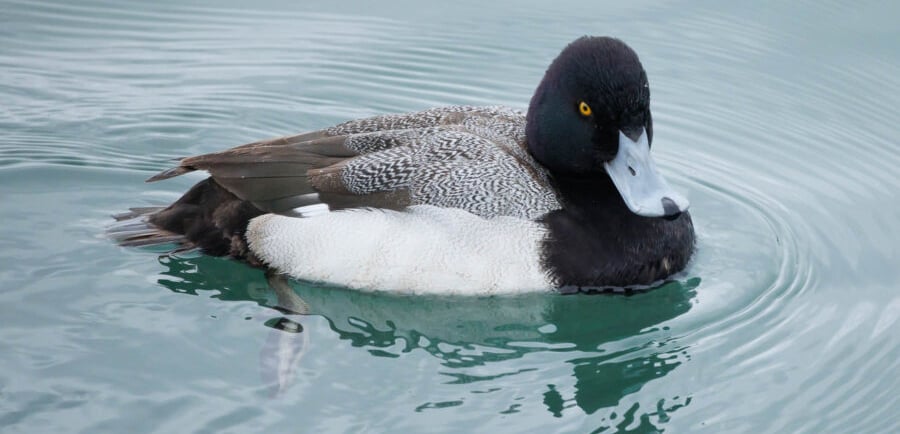
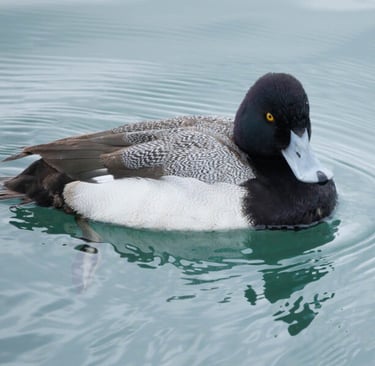
The bluebill duck, also known as the greater scaup (Aythya marila), is a medium-sized diving duck known for its distinctive characteristics and behaviors. Recognizable by its rounded head, the male bluebill displays a striking black and white plumage, while the females present a more muted brown coloration. These physical traits not only add to their charm but also serve as identification markers for hunters in the field.
Bluebills are migratory birds, traversing vast distances during seasonal changes. In the Tampa Bay region, these ducks typically arrive in late fall, and their presence often peaks during the winter months. This migration pattern is influenced by both available food sources and breeding habits. During spring, the bluebills move north to their breeding grounds, primarily in Canada and the northern United States. Understanding these migratory habits is key for hunters aiming to optimize their hunting strategies during peak bluebill season.
In terms of feeding, bluebill ducks are primarily herbivorous, consuming aquatic plants, seeds, and roots found in their preferred habitats. They are often spotted diving in shallow waters, where they forage for food beneath the surface. In the Tampa Bay area, bluebills favor estuaries, marshes, and open water areas where food is abundant. Recognizing the feeding habits and habitat preferences of bluebills will enhance hunters' ability to locate these birds during their excursions.
Overall, a comprehensive understanding of the bluebill duck, including their behaviors, migration patterns, and feeding habits, plays a pivotal role in ensuring successful hunting experiences. By keenly observing these factors, hunters can better position themselves to identify this sought-after waterfowl in Tampa Bay.
Morning vs. Afternoon Hunts: Timing Is Everything
When hunting bluebill ducks in Tampa Bay, timing plays a critical role in overall success. Morning hunts typically offer conditions that many hunters find favorable. During the early hours, light is softer, which can create ideal visibility for spotting bluebills as they take to the water. Additionally, during this time, ducks are generally more active due to their natural feeding habits. As dawn breaks, bluebills are often found foraging in the calm waters, providing hunters with an advantageous opportunity to observe and assess their movements.
Conversely, afternoon hunts present a different set of challenges and opportunities. As the sun climbs higher, the light conditions change dramatically. Bright sunlight can create glare on the water, making it more difficult to spot ducks. However, the afternoon may offer another distinct advantage: as the temperature rises, waterfowl often engage in more extensive feeding before settling down for the evening. Therefore, afternoon sessions can still yield significant rewards, particularly if hunters can position themselves in spots where the ducks are known to congregate.
Understanding duck behavior throughout the day is essential for making an informed decision regarding hunting times. For instance, bluebill ducks tend to follow specific flyways that can vary between morning and afternoon. During the morning hours, they usually travel to feeding grounds; this is also when they exhibit more cautious behavior due to the low light. In the afternoon, however, they become less wary, often forming larger flocks, particularly as they prepare for the evening.
In summary, both morning and afternoon hunts for bluebill ducks offer unique advantages and challenges. For optimal results, hunters must consider light conditions, duck behavior, and feeding patterns, allowing them to strategically choose the best times to venture out on the water. Awareness of these nuances can significantly enhance hunting success in Tampa Bay.
Where to Find Bluebills in Tampa Bay
Finding bluebill ducks in Tampa Bay requires a strategic approach, as these waterfowl tend to congregate in specific areas where conditions are favorable for them. One of the prime locations for hunting bluebills is in the shallow bays and estuaries, where there is an abundance of aquatic vegetation that serves as both food and shelter. Notably, areas near mangroves and seagrass beds are often teeming with bluebills, making them ideal hunting grounds.
When scouting for bluebills, it is essential to observe their behavior and patterns. Early morning and late afternoon are typically the most productive times for spotting these ducks as they forage for food. Look for them diving for submerged vegetation or floating in pairs or small groups. Additionally, monitoring local knowledge and reports can provide insights into recent sightings or migrations, as bluebills may shift their locations based on changing weather conditions and available food sources.
Food sources play a critical role in attracting bluebills to particular areas within Tampa Bay. These ducks primarily feed on aquatic plants, seeds, and invertebrates. Therefore, locations with abundant water plants like wild celery and milfoil are more likely to attract bluebills. Furthermore, tidal changes can influence their feeding times; thus, timing the hunt around high tides can enhance hunting success.
Another key factor to consider is shelter. Bluebill ducks prefer areas where they can easily conceal themselves from predators and hunters alike. Look for spots with dense vegetation or structures that provide cover, such as rocks or piers. These locations can serve as excellent vantage points for both observing and successfully hunting these migratory ducks.
Safety First: Tips for Boat Hunting
Engaging in boat hunting, especially for bluebill ducks in the picturesque Tampa Bay, necessitates a comprehensive emphasis on safety. Utilizing a 23' skiff equipped with a hunting blind provides an advantageous setup, but it brings specific safety considerations that hunters must prioritize.
First and foremost, equipping your boat with essential safety gear is crucial. This includes life jackets for each occupant, a first-aid kit, fire extinguishers, and a signal device such as a whistle or flares. Ensuring that all gear is easily accessible can make a significant difference during unforeseen circumstances. Additionally, considering the installation of a reliable communication system is wise, particularly in remote areas where assistance may not be readily available.
Boating safety laws must be adhered to at all times. Familiarize yourself with local regulations regarding speed limits and hunting restrictions in specific zones. Maintaining awareness of other boaters is equally important; this includes understanding navigation rules and remaining vigilant of nearby watercraft to mitigate collision risks.
Weather conditions can significantly affect hunting expeditions. Before setting out, always check current forecasts, including wind speed and water conditions. Ducks can be skittish in turbulent winds or inclement weather, thus understanding these factors can improve both safety and hunting success. Planning the hunt according to predicted weather patterns can enhance safety and comfort.
Lastly, conducting a pre-launch checklist can ensure all safety measures are in place. This should include checking fuel levels, ensuring all hunting equipment is securely stowed, and verifying that your skiff is in good repair. By applying these best practices, hunters can enjoy a safer and more rewarding experience in Tampa Bay while pursuing bluebill ducks.
Contact
Reach out for bookings or questions anytime.
Phone
© 2025. All rights reserved.