cptphilpegley@gmail.com | 813-416-6296 | 1214 Frisbie Rd., Ruskin, FL, 33570

Hunting Blackbelly Ducks from a Boat in Tampa Bay: A Comprehensive Guide
Article on Hunting Blackbelly Ducks from a Boat in Tampa Bay: A Comprehensive Guide
Phil Pegley
4/3/20264 min read
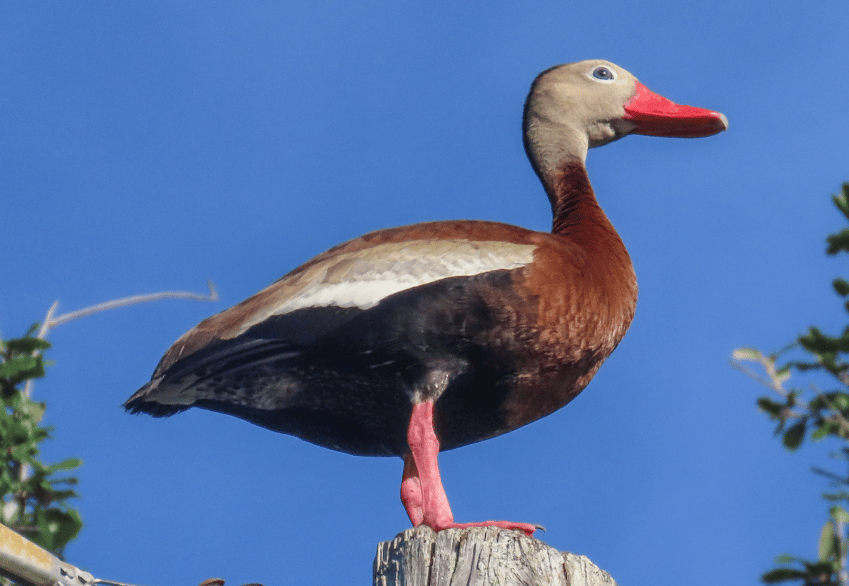
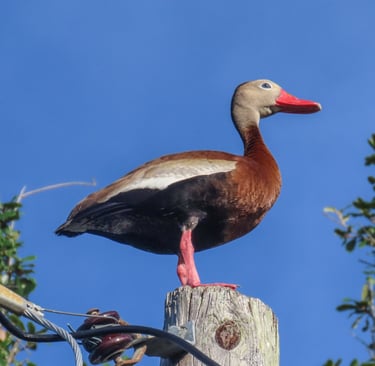
Understanding Blackbelly Ducks: Behavior and Habitat
Blackbelly ducks, known scientifically as Dendrocygna autumnalis, are integral to the aquatic ecosystems of Tampa Bay. These ducks are recognized for their distinctive coloration, characterized by a dark belly and a lighter body. Understanding their behavioral patterns and habitat preferences is vital for effective hunting strategies.
In Tampa Bay, blackbelly ducks typically favor marshes, estuaries, and open water areas where dense vegetation is available. They thrive in shallow waters that provide ample food sources, primarily comprising aquatic plants, seeds, and insects. Key locations within Tampa Bay that are known for housing significant populations of blackbelly ducks include the mangroves along Weedon Island and the marshy regions of the Alafia River. Hunters should focus on these areas during the peak migration periods, which typically occur from late fall to early spring.
Notably, blackbelly ducks exhibit a migratory behavior, often traveling in small groups or family units. This social behavior enables them to navigate their environment efficiently and respond to threats collectively. Observing their flight patterns can provide hunters with critical insights into where they are likely to land. When scouting, it is essential to pay attention to their interactions with other waterfowl; blackbelly ducks often mix with a variety of species, which can indicate the presence of a diverse avian population in specific locales.
Understanding the feeding habits of blackbelly ducks is equally important. They are primarily nocturnal foragers, using the cover of darkness to search for food on the water's surface. This behavior may necessitate early morning hunts, as they may be less active during the day. By aligning hunting times with their feeding patterns and recognizing their preferred habitats, hunters can enhance their chances of success while pursuing blackbelly ducks.
Optimal Equipment for Hunting Blackbelly Ducks
Effective hunting of blackbelly ducks from a boat requires specific equipment tailored to the unique challenges of this pursuit. The right gear not only enhances the overall experience but also increases the chances of a successful hunt. One of the most crucial pieces of equipment is the shotgun. A 12-gauge shotgun is often recommended due to its versatility and power. Depending on personal preference and shooting style, either a semi-automatic or pump-action shotgun can be ideal, providing the necessary reliability and quick follow-up shots.
In terms of ammunition, choosing the right shot type is essential. Steel shot is mandatory in many regions for waterfowl hunting and offers a great balance between effective performance and ethical considerations. Commonly, sizes #2 and #4 are preferred for blackbelly ducks, providing sufficient energy while ensuring a clean kill at typical hunting distances.
Decoys are another fundamental aspect of hunting blackbelly ducks. Realistic decoys that mimic natural behavior can effectively lure these birds. A combination of floaters and stationary decoys, positioned strategically around the boat, can create a convincing setup. Additionally, investing in quality decoy weights will prevent them from drifting in currents, maintaining their effectiveness.
Other essential accessories include a reliable boat anchor to secure your location and a blind to conceal your presence. A good quality hunting vest will keep your gear organized and easily accessible, preventing distractions when the ducks arrive. Regular maintenance of all equipment is key; check your shotgun for proper functioning, clean it after each use, and ensure your decoys are free from damage. By selecting appropriate equipment and maintaining it well, hunters can maximize their success while hunting blackbelly ducks from a boat in Tampa Bay.
Timing is Everything: When to Hunt Blackbelly Ducks
Effective waterfowl hunting often hinges on understanding the optimal timing for your pursuits, especially when it comes to blackbelly ducks. The best times to hunt these waterfowl generally fall during the early morning and late afternoon hours. In the morning, blackbelly ducks tend to be most active as they begin their day, searching for food and gathering in groups. This peak activity period coincides with dawn, making it an ideal time for hunters to be settled in their boats and ready to take advantage of this natural behavior.
Similarly, the late afternoon presents another prime opportunity for hunting blackbelly ducks. During this time, ducks begin to return to their roosting spots, often scanning for feeding grounds along their way. This behavior offers hunters a strategic advantage as they can position themselves in locations ducks regularly visit during this transitional period. It is also essential to consider seasonal changes, as different weather patterns and temperatures can influence duck feeding habits and movement.
Weather plays a critical role in the success of a hunting expedition. For instance, overcast skies often lead to increased activity levels in ducks, as they feel more secure and are less visible to predators. Conversely, clear and sunny days may prompt blackbelly ducks to remain hidden in dense cover or seek refuge in quieter waters. Additionally, colder temperatures or changes in weather conditions can stimulate feeding cycles, prompting ducks to search for sustenance more frequently. Therefore, understanding the influence of various weather patterns will enable hunters to better predict when to launch their boats and initiate their hunt, thus optimizing their experience on the water.
Hunting Techniques and Strategies on Tampa Bay
Hunting blackbelly ducks from a boat in Tampa Bay requires specific techniques and strategies to increase success rates. One of the key components is positioning your boat effectively. Aim to anchor your boat in areas where blackbelly ducks are known to frequent, such as shallow waters with plenty of vegetation or near food sources. This often includes marshes and wetlands lined along the bay. Being mindful of the wind direction is essential; ideally, hunters should position their boats so that the wind is at their back, allowing for better calling and making it harder for ducks to detect human presence.
In addition to positioning, utilizing calling techniques is critical in attracting blackbelly ducks. Hunters should familiarize themselves with the various calls of these species, as mimicking their sounds accurately can entice ducks within range. Various types of calls, such as whistle and quack calls, can be effective depending on the hunting conditions. Practicing these calls beforehand will help hunters sound more natural in the field and increase their chances of drawing in passing birds.
Decoy placement is another vital aspect of hunting blackbelly ducks effectively. Using a well-thought-out decoy spread can significantly enhance the chances of a successful hunt. A configuration that resembles the preferred flock dynamics of blackbelly ducks can encourage them to land nearby. Deploy a mix of realistic decoys to create an inviting setting. Remember that oversaturation of decoys can deter birds; therefore, spacing should be considered. Furthermore, staying informed about local regulations is crucial. Hunters must be aware of any specific rules regarding boat hunting in Tampa Bay, including permits required and restrictions on specific areas, ensuring compliance with local wildlife regulations.
Contact
Reach out for bookings or questions anytime.
Phone
© 2025. All rights reserved.